HIGH QUALITY GENUINE OEM, AFTERMARKET SPARES


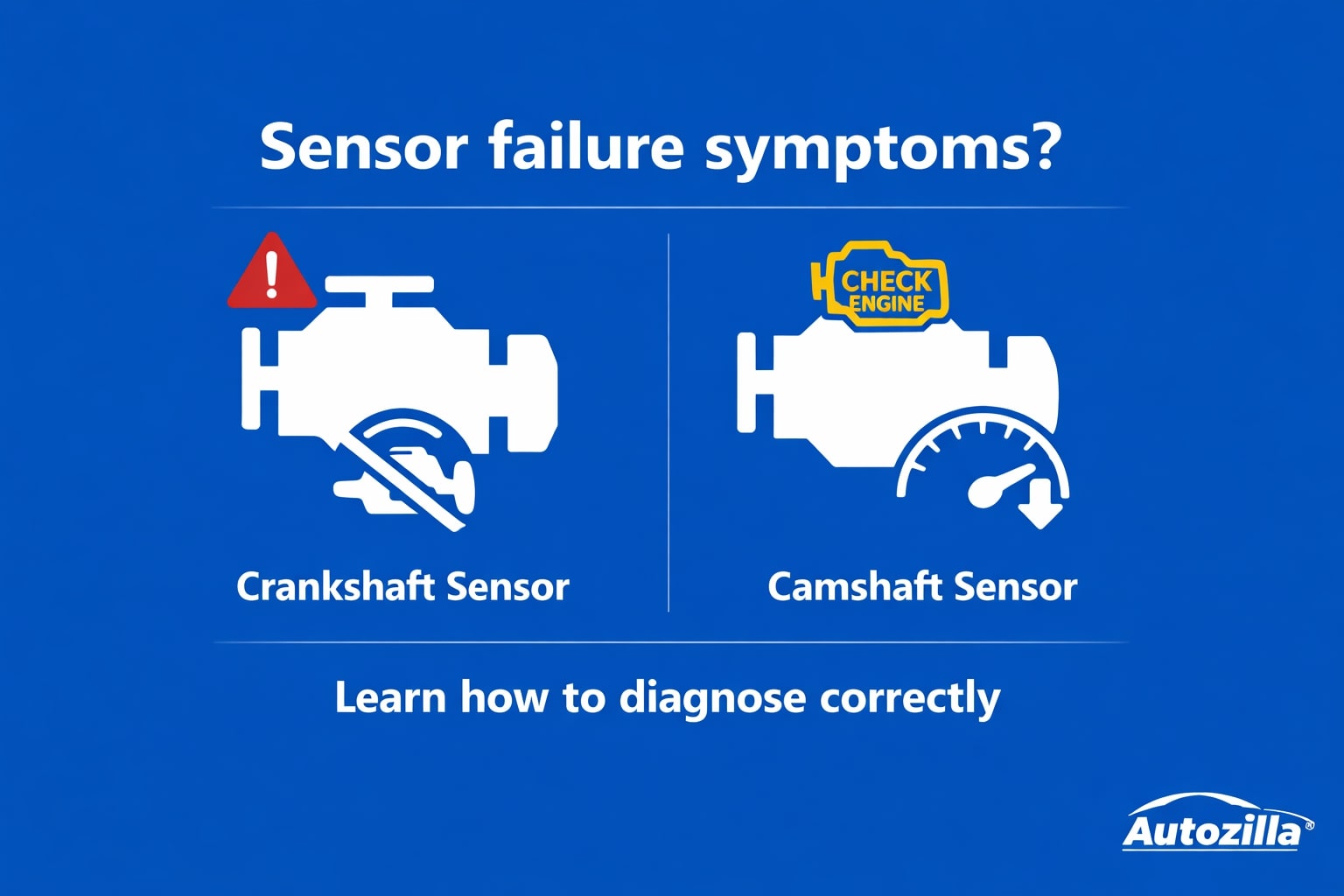
Modern vehicles rely heavily on sensors to control engine timing, fuel injection, and ignition. Among the most critical are the Crankshaft Position Sensor (CKP) and the Camshaft Position Sensor (CMP).
When either of these sensors fails, the engine can misfire, stall, or refuse to start. For garages, correctly identifying which sensor is at fault is essential to avoid misdiagnosis, unnecessary part replacement, and customer dissatisfaction.
This guide explains the difference between crankshaft and camshaft sensor failures, their symptoms, and how workshops can diagnose them accurately.

Fuel injectors have come a long way from being purely mechanical components. In today’s ECU-driven vehicles, injectors sit at the center of emissions control, performance optimization, and onboard diagnostics. For modern workshops, understanding fuel injectors is no longer just about cleaning or replacement-it’s about data, diagnostics, and intelligent decision-making.
This shift has redefined how workshops diagnose faults, comply with emission norms, and operate efficiently in a digital ecosystem.
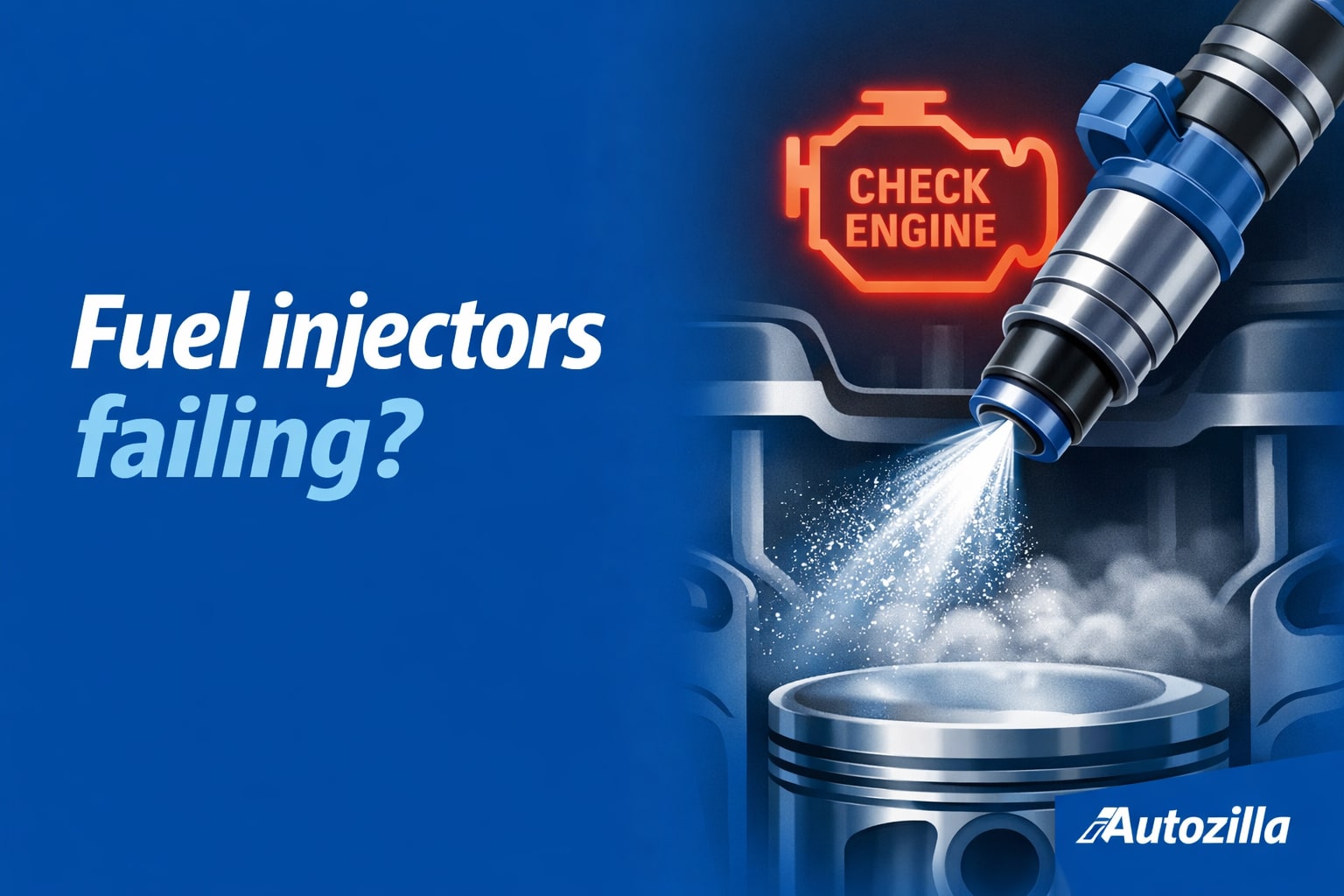
Fuel injectors play a critical role in modern petrol and diesel engines. They precisely deliver fuel into the combustion chamber, ensuring optimal performance, efficiency, and emissions. Yet, fuel injector failure is one of the most common causes of poor engine performance in today’s vehicles.

The Maruti Suzuki Baleno is one of the most popular hatchbacks in India, known for its premium looks, lightweight body, smooth performance, and impressive fuel efficiency. Whether used for daily city commutes or occasional long drives, Baleno has earned its reputation as a practical family car. However, like any high-selling vehicle, it comes with a few recurring issues that many owners frequently report. Understanding these problems can help you maintain your car better and replace the right car spare parts at the right time- whether you prefer OEM parts or aftermarket parts.