HIGH QUALITY GENUINE OEM, AFTERMARKET SPARES


A strong maintenance history plays a major role in protecting your car’s resale value. Buyers are not just purchasing a vehicle; they are buying confidence. Complete service records, timely part replacements, and documented invoices signal responsible ownership and reduce perceived risk. Vehicles maintained with quality OEM or reputable aftermarket parts typically command higher offers and sell faster.
Poor documentation, inconsistent servicing, or low-grade components can lower buyer trust and lead to price negotiations. Buying car spare parts online from trusted platforms also helps, as digital invoices create a clear and traceable service record.
Strategic maintenance should focus on high-impact components such as brakes, suspension, cooling systems, and engine belts. Treating maintenance as a long-term investment rather than a short-term expense helps preserve value.
By choosing reliable parts and keeping detailed records, car owners can protect performance today and secure stronger resale value tomorrow.
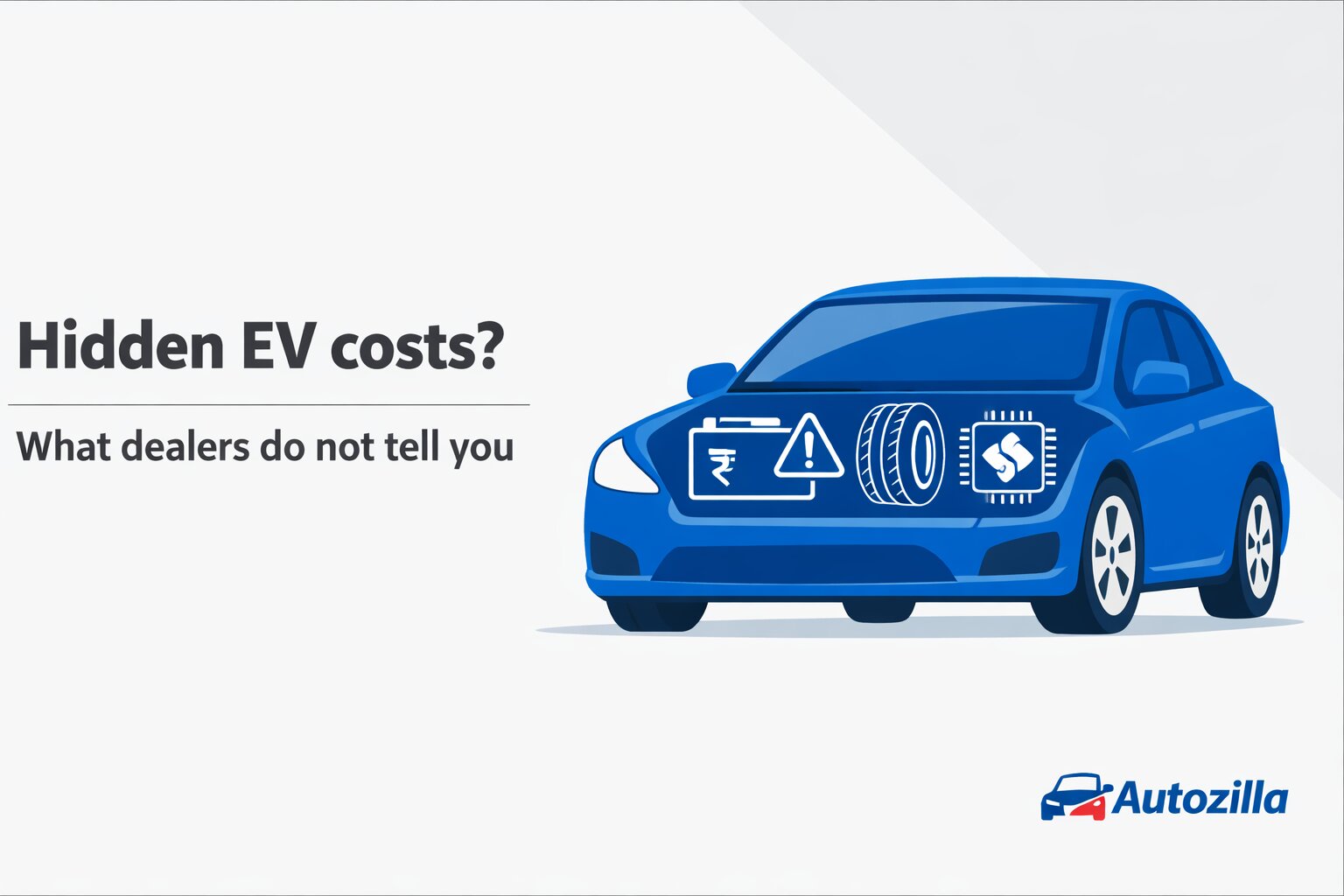
India’s electric vehicle market is growing rapidly, driven by high fuel prices and strong policy support. While EVs are often marketed as low maintenance and economical, the reality is more nuanced. Although they eliminate engine oil changes and many traditional mechanical components, EVs introduce a new set of cost factors centered around batteries, electronics, software, and thermal systems.
The battery pack, which accounts for a significant portion of the vehicle’s cost, is the biggest long-term financial risk, especially after warranty expiry. Tires tend to wear out faster due to higher vehicle weight and instant torque. Brake systems last longer but are electronically complex and expensive to repair. Thermal management systems, software diagnostics, and charging infrastructure installation also add to ownership costs. Insurance premiums for EVs are typically higher as well.
Over a five-year period, these factors can narrow the expected savings if not managed properly. Successful EV ownership in India depends on informed planning, disciplined usage, and proactive maintenance rather than assuming that EVs are completely maintenance-free.
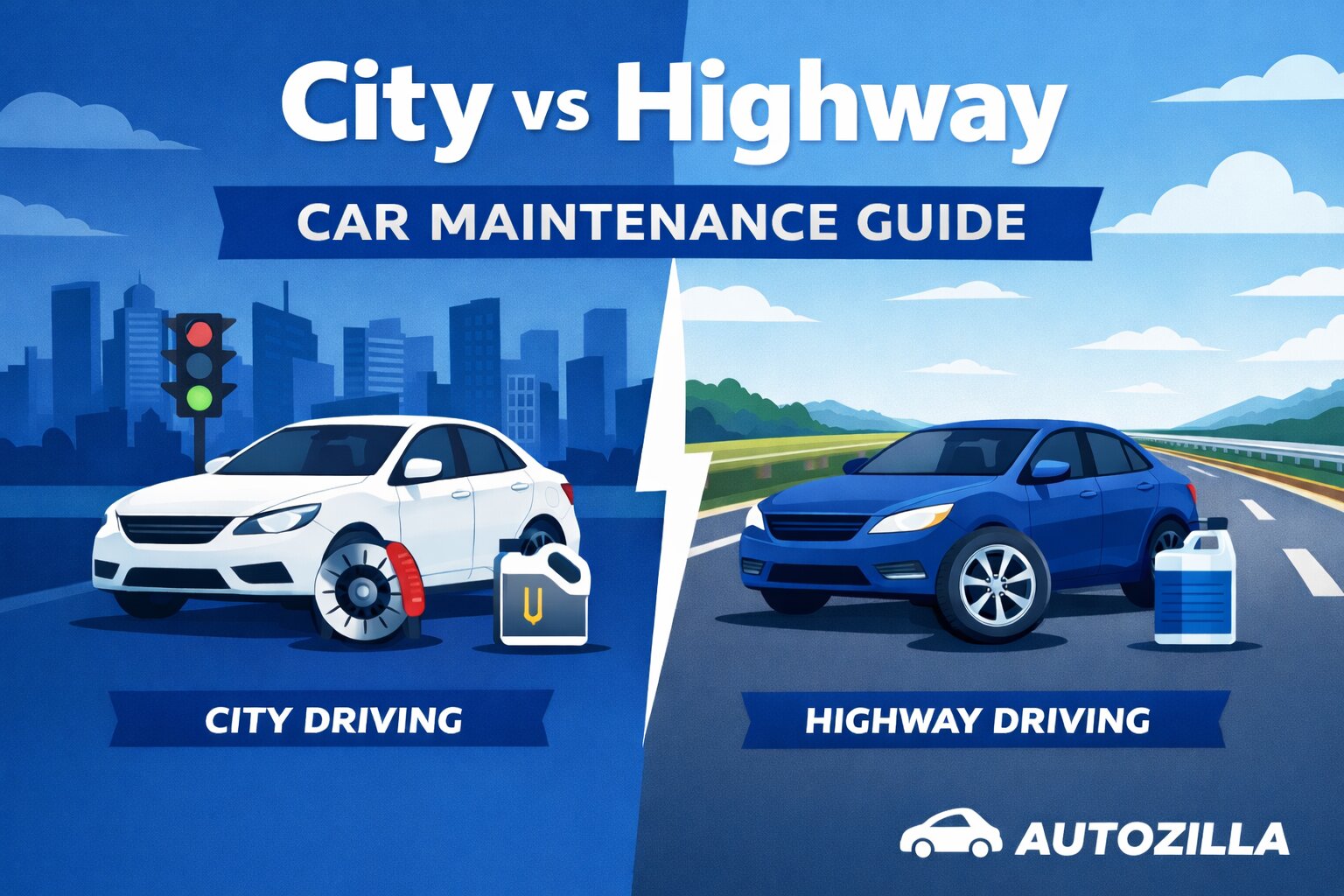
City and highway driving affect your car in very different ways, and understanding this difference can help you maintain your vehicle more efficiently. City driving involves constant stopping, starting, braking, and gear changes, which leads to faster wear of brake pads, clutch components, engine oil, battery, and suspension parts. Short trips and heavy traffic also prevent the engine from reaching optimal temperature, increasing long-term stress on key systems.
Highway driving, while smoother and more consistent, creates its own challenges. Sustained high speeds put continuous load on tires, cooling systems, engine oil, wheel bearings, and air filters. Heat buildup and long operating hours can gradually impact performance if maintenance is ignored.
The blog also explains how driving patterns should influence your choice between OEM and aftermarket parts. Critical components may benefit from OEM reliability, while trusted aftermarket options can be cost-effective for noncritical replacements. By aligning your maintenance schedule and spare parts choices with your driving habits, you can reduce breakdowns, extend vehicle lifespan, and make smarter purchasing decisions.
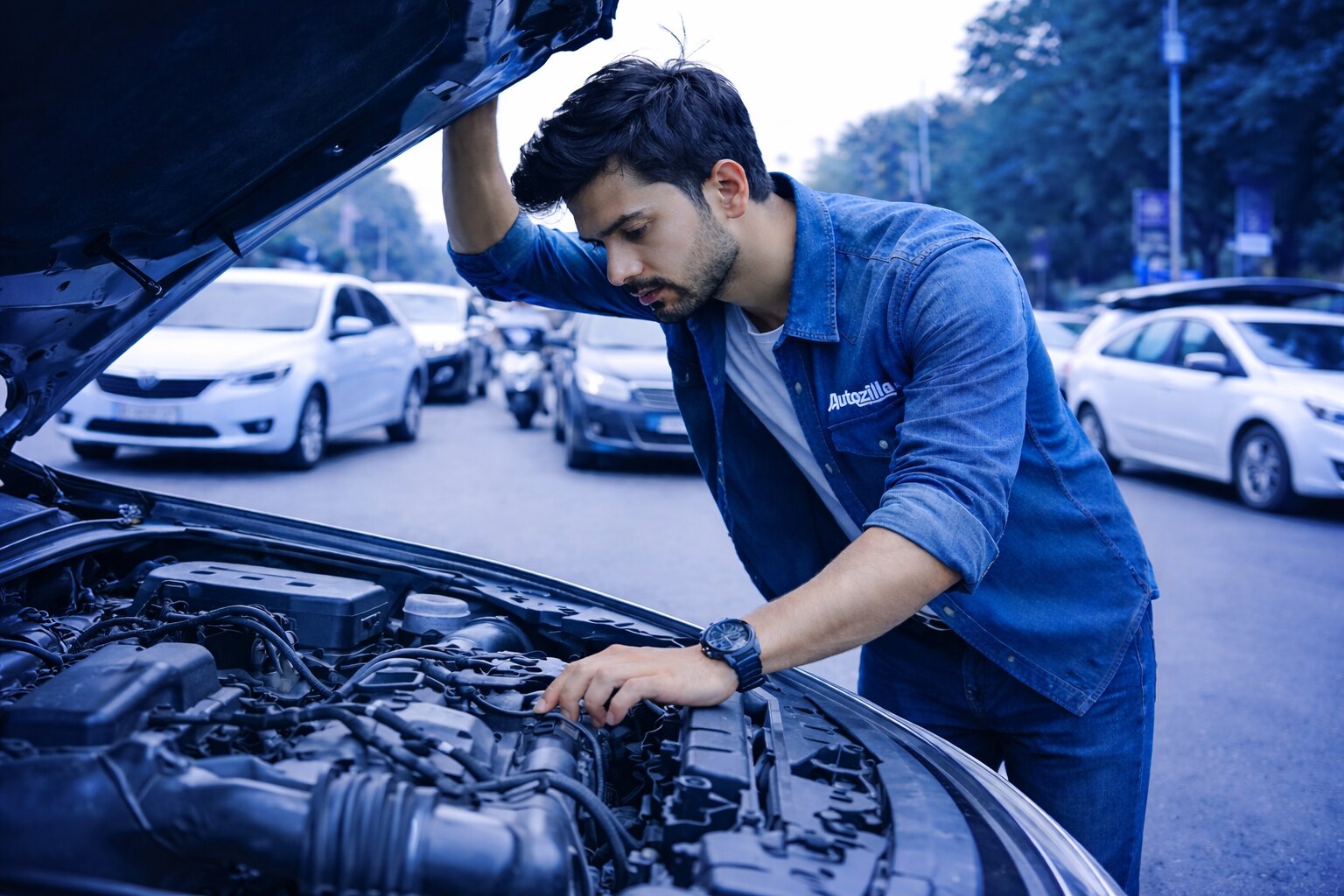
Rising traffic congestion in Indian cities is silently taking a toll on car clutch life, especially in manual transmission vehicles. Daily stop-and-go driving, low-speed crawling, and frequent gear changes create excessive friction and heat, which accelerates clutch wear far beyond normal conditions. In cities like Delhi, Mumbai, Bengaluru, and Pune, traffic is no longer limited to peak hours, making clutch stress a constant issue for urban drivers.
Indian driving conditions worsen the problem due to narrow roads, frequent speed breakers, poor signal coordination, and aggressive lane cutting. These factors force drivers to rely heavily on half-clutch usage, one of the biggest causes of premature clutch failure. As a result, many car owners are replacing clutches much earlier than the expected lifespan, leading to higher maintenance costs and increased demand for car spare parts.
The blog also highlights the importance of recognizing early warning signs such as slipping, burning smells, vibration, and reduced pickup. It explains why OEM spare parts often provide better durability in heavy traffic compared to lower-quality aftermarket options.
While traffic cannot be avoided, smart driving habits, timely inspections, and choosing reliable spare parts can significantly extend clutch life. Proactive maintenance helps reduce breakdowns, lowers long-term costs, and keeps vehicles dependable in demanding city driving conditions.
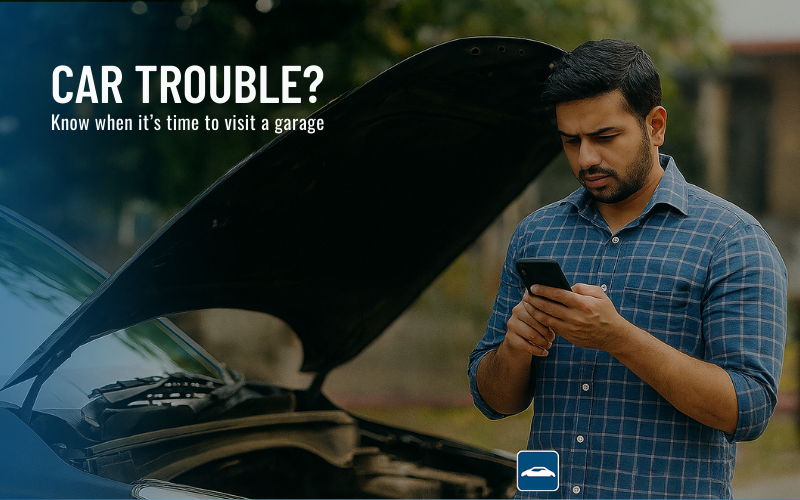
Driving in India means tackling traffic jams, potholes, dusty roads, intense heat, and heavy rains. Unsurprisingly, car issues pop up more often under these tough conditions.
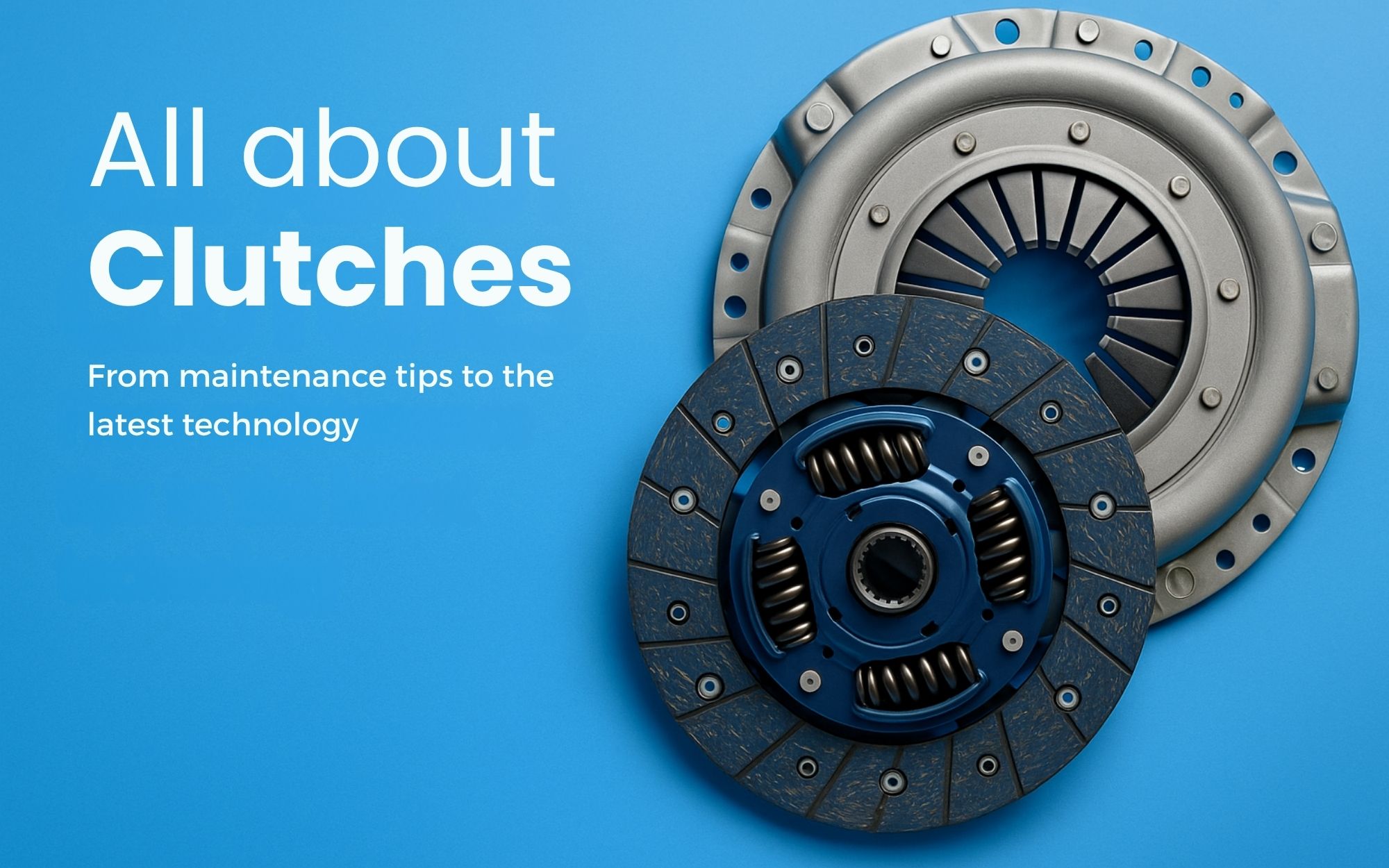
The joy of driving comes from knowing your vehicle is prepared for anything, with every part playing its role perfectly. Before you turn the key, it's important to make sure every part of your vehicle is ready to deliver the performance you need. At Autozilla we understand that Every part of the vehicle plays a crucial role in delivering the performance you expect and deserve but one component that often doesn’t get the attention it deserves is the clutch.