HIGH QUALITY GENUINE OEM, AFTERMARKET SPARES


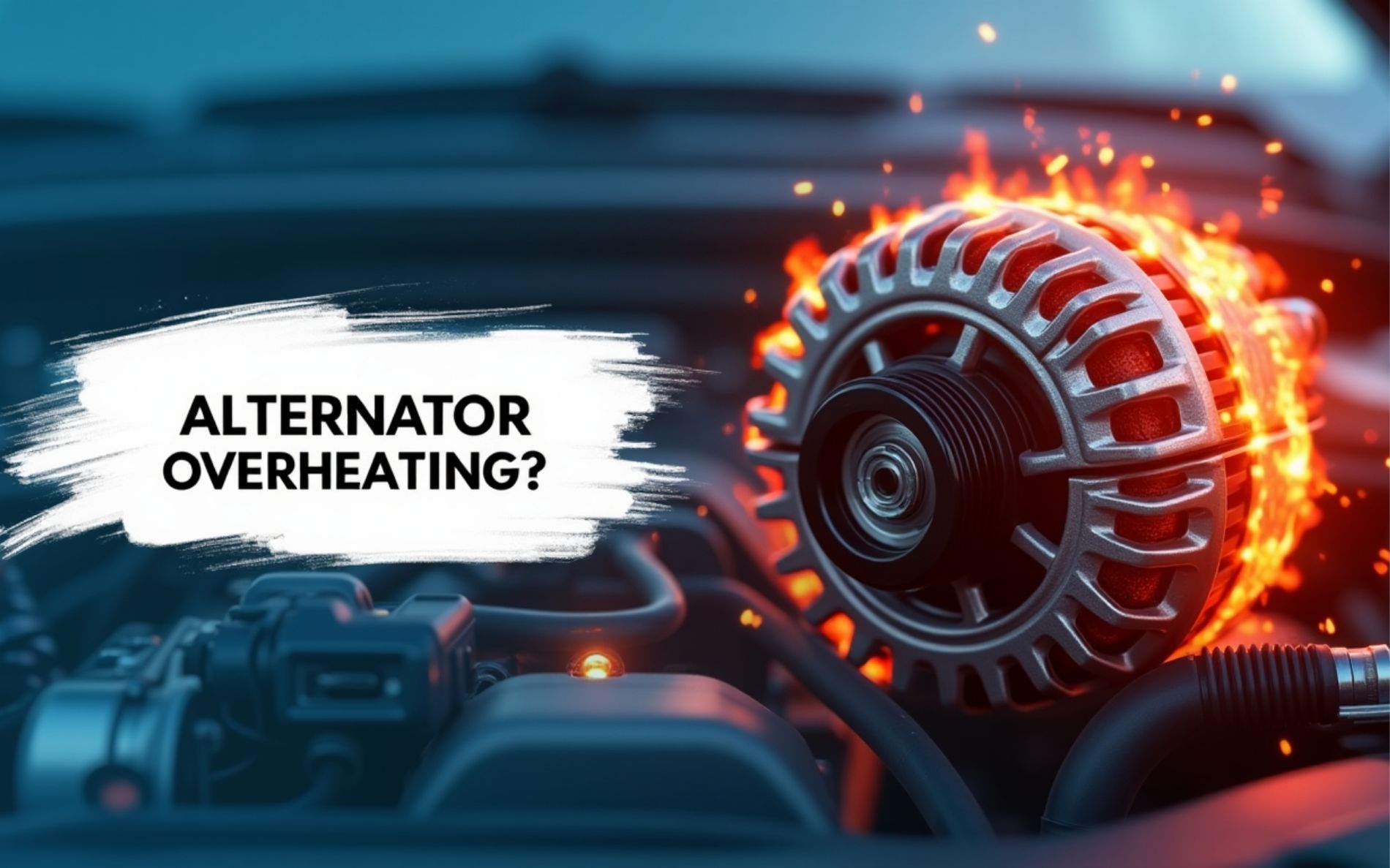
Electrical components are becoming one of the fastest-growing categories in the automotive spare parts market. Modern vehicles rely heavily on electronic systems such as sensors, ignition systems, alternators, and control modules to manage performance, safety, and driver convenience. As cars become more technology-driven, electrical components are failing and being replaced more frequently than traditional mechanical parts.
The demand is also increasing because vehicles are staying on the road longer. As cars age, components like oxygen sensors, ignition coils, and wiring systems naturally wear out and require replacement. At the same time, advanced diagnostic tools make it easier for workshops to identify electrical faults quickly, which leads to faster repairs and higher replacement demand.
Another major driver is the rise of digital procurement. Workshops and vehicle owners are increasingly choosing to buy car spare parts online because it allows faster part identification, better availability, and easy comparison between OEM and aftermarket options.
For automotive businesses, electrical spare parts represent a major growth opportunity. Expanding inventory and using reliable online platforms like Autozilla can help workshops and retailers source genuine automotive components efficiently while keeping up with the evolving spare parts market.

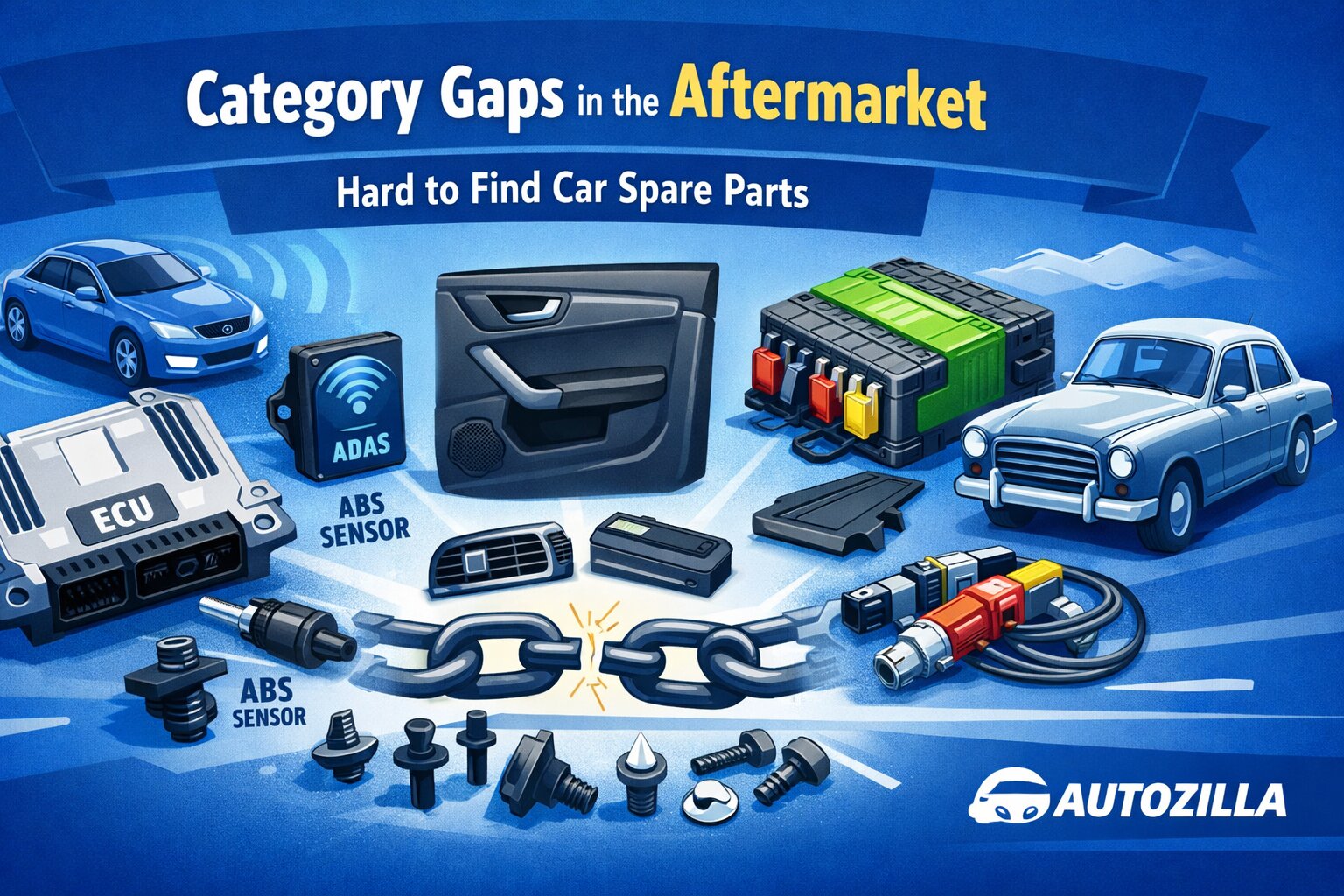
The automotive aftermarket has grown rapidly, making it easier than ever to buy car spare parts online. However, certain categories of parts remain consistently difficult to source due to supply chain limitations, low production demand, and rapid changes in vehicle technology. These gaps often affect components such as electronic control modules, specialized sensors, interior trim parts, clips and fasteners, and parts for older vehicles.
For repair workshops and vehicle owners, these sourcing challenges can lead to longer repair times and increased vehicle downtime. Limited aftermarket manufacturing, OEM supply restrictions, and model-specific compatibility are some of the key reasons why these parts remain hard to find.
Fortunately, digital automotive platforms are helping bridge these gaps by offering wider inventories, better compatibility search tools, and access to multiple suppliers in one place. By using specialized platforms, professionals and car owners can locate genuine spare parts online more efficiently and reduce the time spent searching across different distributors. Platforms like Autozilla simplify this process, helping users find reliable OEM and aftermarket parts faster and keep vehicles running smoothly.
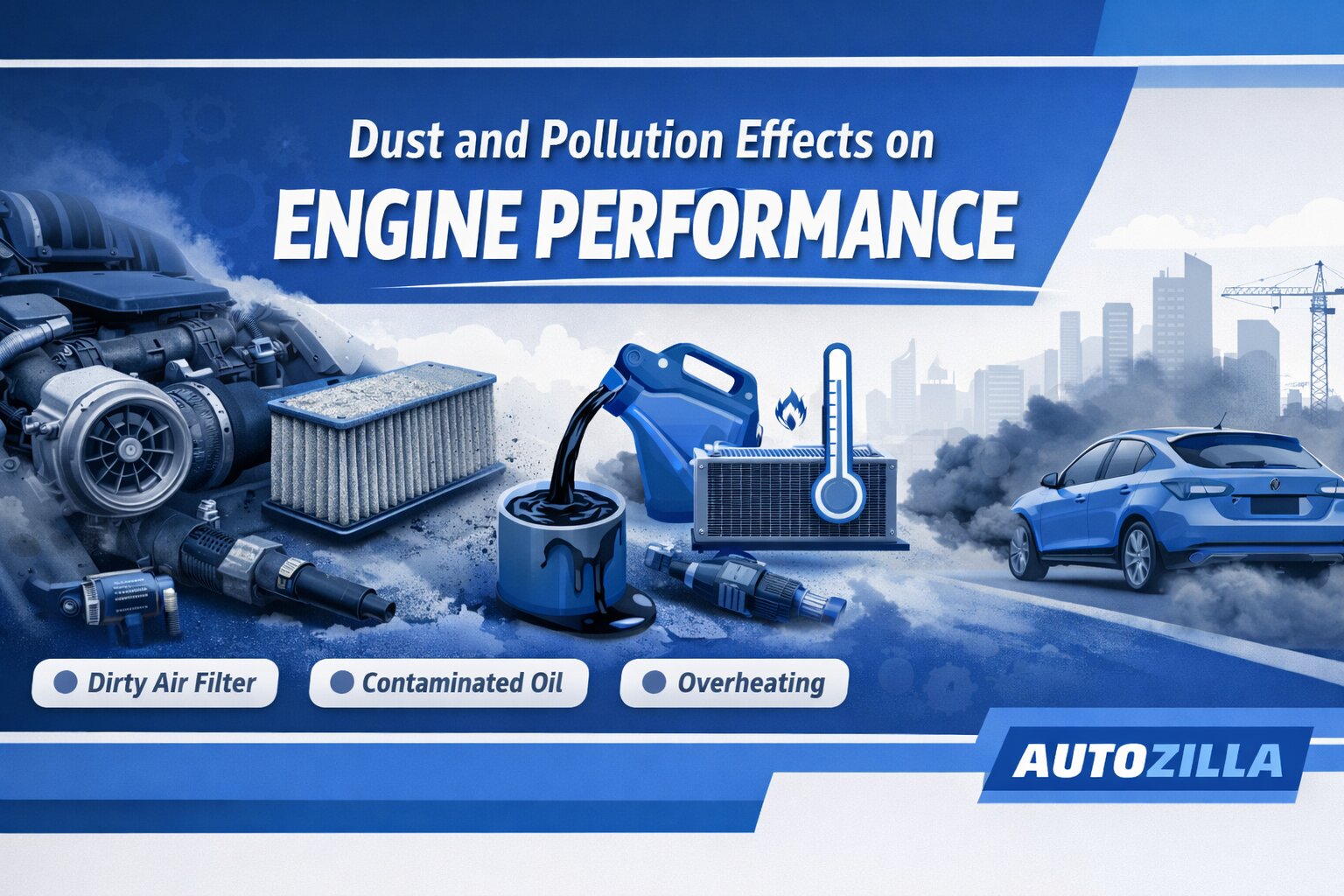
Dust and pollution may seem harmless, but over time they can significantly reduce your engine’s performance and lifespan. Microscopic dust particles enter through the air intake, fuel system, and ventilation components, affecting combustion efficiency, lubrication quality, cooling performance, and sensor accuracy. Contaminated air filters restrict airflow, dirty engine oil increases internal wear, and blocked cooling fins can lead to overheating. Soot buildup also interferes with sensors such as the mass airflow sensor, causing rough idling, poor fuel economy, and sluggish acceleration.
Driving conditions play a major role in how quickly these issues develop, especially in cities, construction zones, and dry rural areas. Regular maintenance and timely replacement of filters, sensors, and other critical components are essential to prevent expensive repairs. Choosing reliable car spare parts online ensures proper fitment, durability, and long-term engine protection. Proactive care today keeps your engine efficient, smooth, and dependable for years to come.
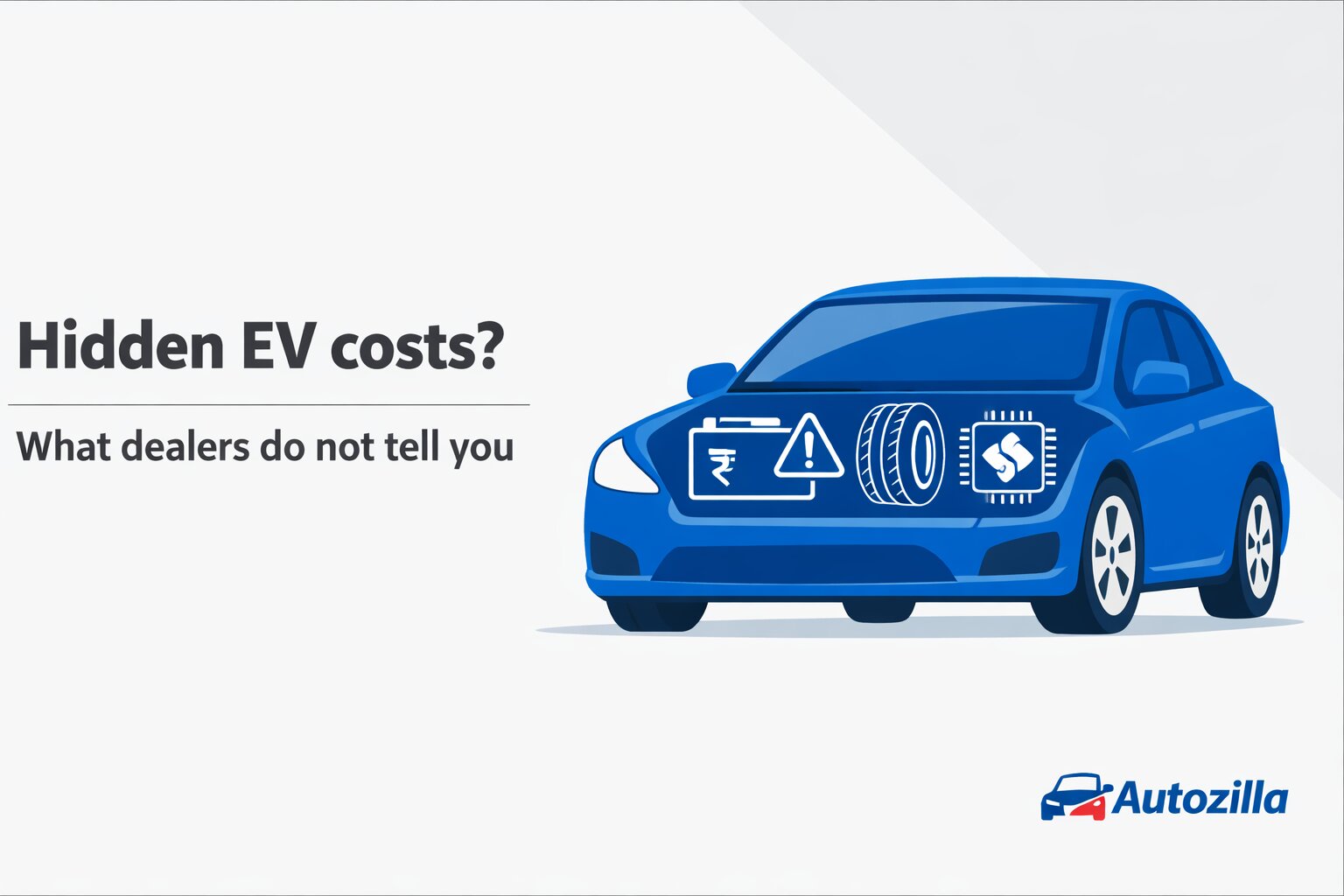
India’s electric vehicle market is growing rapidly, driven by high fuel prices and strong policy support. While EVs are often marketed as low maintenance and economical, the reality is more nuanced. Although they eliminate engine oil changes and many traditional mechanical components, EVs introduce a new set of cost factors centered around batteries, electronics, software, and thermal systems.
The battery pack, which accounts for a significant portion of the vehicle’s cost, is the biggest long-term financial risk, especially after warranty expiry. Tires tend to wear out faster due to higher vehicle weight and instant torque. Brake systems last longer but are electronically complex and expensive to repair. Thermal management systems, software diagnostics, and charging infrastructure installation also add to ownership costs. Insurance premiums for EVs are typically higher as well.
Over a five-year period, these factors can narrow the expected savings if not managed properly. Successful EV ownership in India depends on informed planning, disciplined usage, and proactive maintenance rather than assuming that EVs are completely maintenance-free.
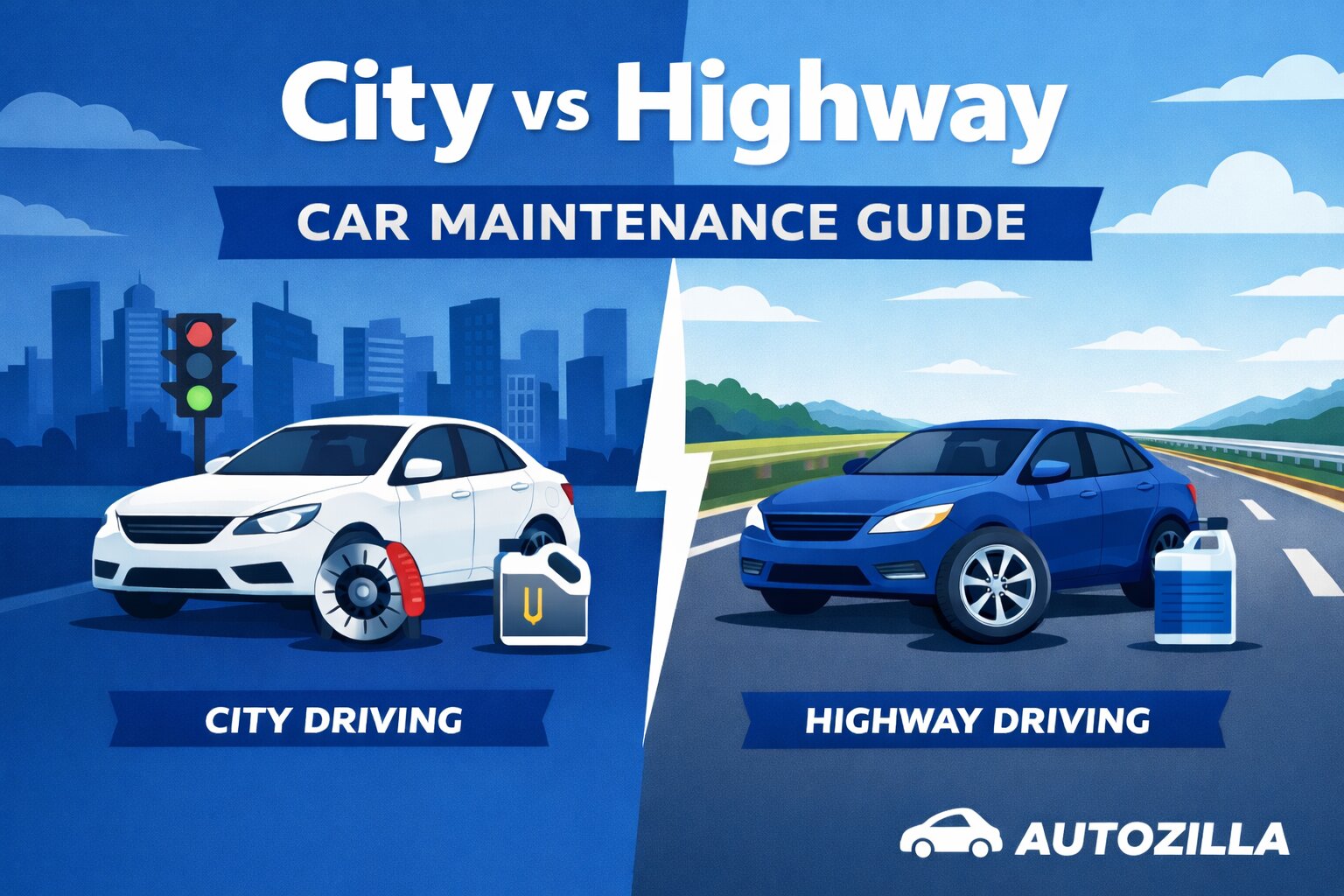
City and highway driving affect your car in very different ways, and understanding this difference can help you maintain your vehicle more efficiently. City driving involves constant stopping, starting, braking, and gear changes, which leads to faster wear of brake pads, clutch components, engine oil, battery, and suspension parts. Short trips and heavy traffic also prevent the engine from reaching optimal temperature, increasing long-term stress on key systems.
Highway driving, while smoother and more consistent, creates its own challenges. Sustained high speeds put continuous load on tires, cooling systems, engine oil, wheel bearings, and air filters. Heat buildup and long operating hours can gradually impact performance if maintenance is ignored.
The blog also explains how driving patterns should influence your choice between OEM and aftermarket parts. Critical components may benefit from OEM reliability, while trusted aftermarket options can be cost-effective for noncritical replacements. By aligning your maintenance schedule and spare parts choices with your driving habits, you can reduce breakdowns, extend vehicle lifespan, and make smarter purchasing decisions.
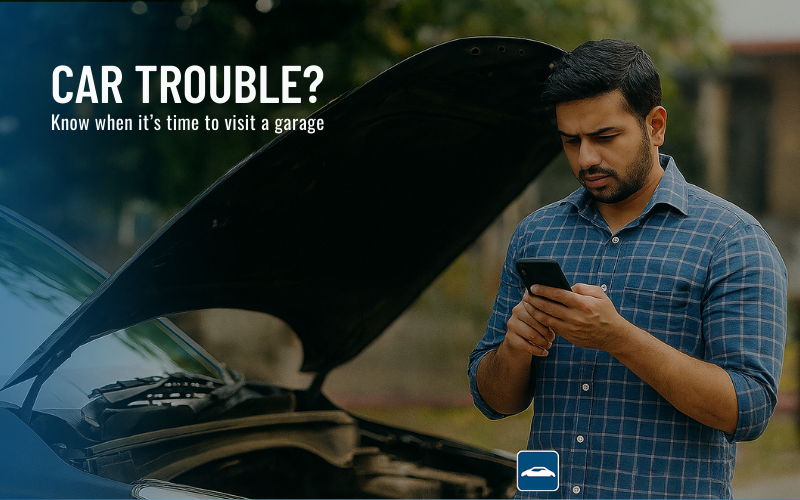
Driving in India means tackling traffic jams, potholes, dusty roads, intense heat, and heavy rains. Unsurprisingly, car issues pop up more often under these tough conditions.
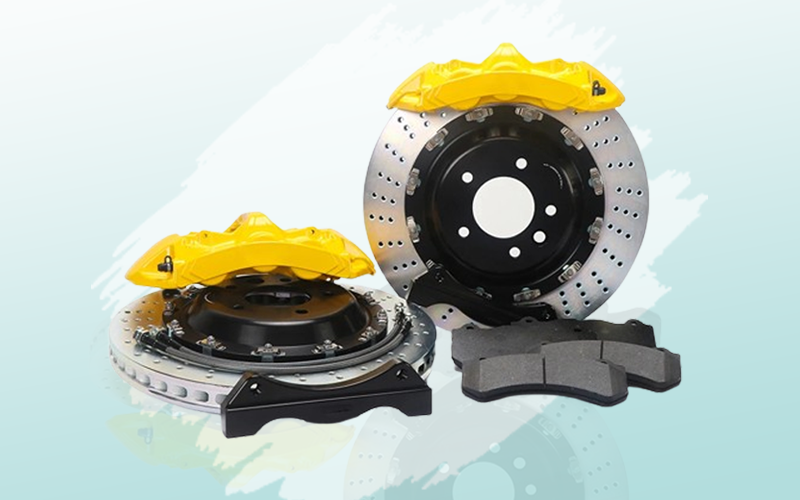
Drivers often miss worn brake pad signs until it's too late. Recognize squealing, reduced braking, vibrations early. Proactive checks prevent pricey repairs. Prioritize safety with regular inspections. Your safety, and others', hinges on it.