HIGH QUALITY GENUINE OEM, AFTERMARKET SPARES


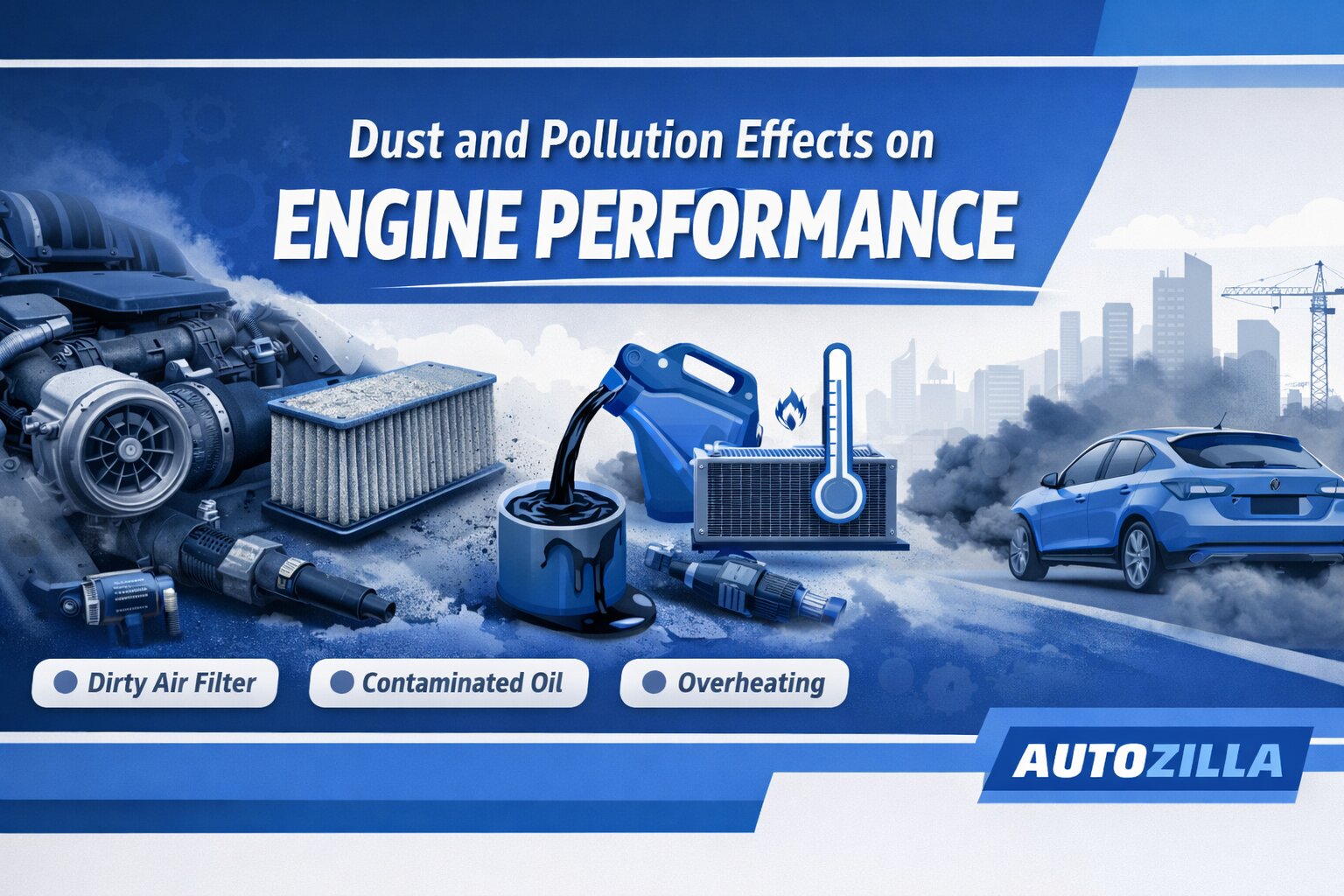
Your engine is engineered to withstand extreme temperatures, pressure, and continuous mechanical motion. What it is not built to tolerate is constant exposure to airborne dust, soot, and environmental pollutants.
Whether you drive through congested city roads, construction zones, highways, or dry rural areas, your vehicle is continuously exposed to microscopic contaminants. These particles gradually affect combustion efficiency, lubrication quality, cooling performance, and electronic precision. The damage is not immediate, but over time it becomes expensive.
Understanding how dust and pollution affect your engine allows you to make informed maintenance decisions and choose the right car spare parts online before minor issues turn into major repairs.
Even though modern engines are designed as sealed systems, they require continuous airflow and ventilation. This creates unavoidable entry points for contaminants.
Primary entry sources include:
Think of your engine like your lungs. Continuous exposure to polluted air without proper filtration eventually affects performance. The same principle applies to your vehicle.
The air filter ensures only clean air mixes with fuel during combustion. When dust particles bypass or overload the filter, the fuel and air mixture becomes compromised.
Fine silica particles are especially damaging. They behave like abrasive material inside the combustion chamber, accelerating wear on piston rings and cylinder walls. This reduces compression and long term efficiency.
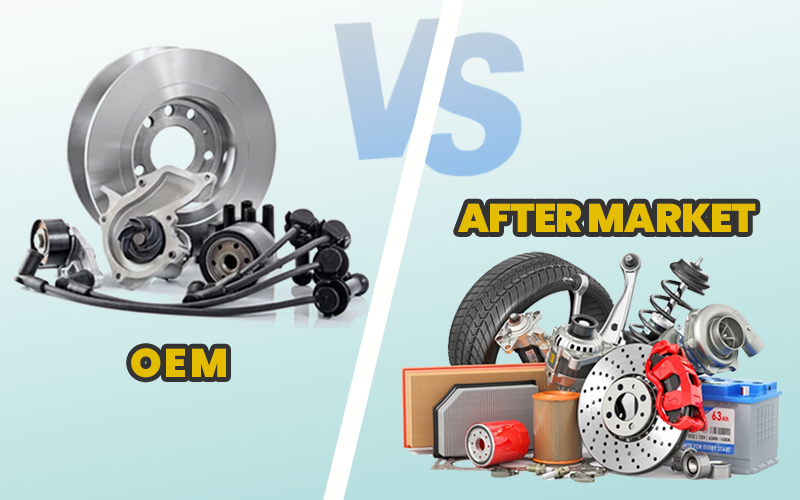
| Parameter | OEM | Aftermarket parts |
|---|---|---|
| Fit and design | Factory matched | May vary by brand |
| Filtration standard | Manufacturer tested | Quality dependent |
| Durability | Consistent lifespan | Material based |
| Price | Premium | Generally economical |
High quality aftermarket parts can deliver comparable protection to OEM, provided they meet performance standards. When purchasing car spare parts online, always check compatibility and filtration specifications.
Dust particles eventually find their way into the lubrication system.
Contaminated oil loses its lubricating properties. Instead of reducing friction, it turns abrasive.
Maintaining clean oil through timely oil and filter replacement significantly reduces wear. Choosing reliable filters while buying car spare parts online is critical for long term engine health.
Vehicles equipped with turbochargers are particularly sensitive to dust contamination.
Turbochargers operate at very high rotational speeds. Even microscopic particles can:
Urban pollution increases this risk significantly. Replacing a turbocharger is expensive, which is why preventive maintenance with quality OEM or premium aftermarket parts is essential.
Dust accumulation also affects external engine components.
Radiators, intercoolers, and condensers are directly exposed to road debris and airborne pollutants. Dust blocks airflow through cooling fins.
When fins are clogged with dust and debris, the cooling system cannot release heat efficiently. This pushes engine temperatures higher than normal.
Even minor obstruction can reduce cooling efficiency. Regular inspection and timely replacement of damaged components sourced through trusted car spare parts online platforms helps prevent overheating.
Modern engines depend heavily on electronic sensors such as:
Soot and dust interfere with sensor readings.
When sensor elements collect soot and fine particles, the engine control unit receives incorrect data. This can lead to improper fuel calibration and weaker performance.
If cleaning does not solve the issue, replacing faulty sensors with certified OEM or reliable aftermarket parts restores performance accuracy and fuel efficiency.
Dust can also enter through the fuel system during refuelling or storage.
Affected components include:
Clogged injectors alter spray patterns and reduce combustion efficiency.
When small particles pass through the fuel supply, they collect in filters first. If maintenance is delayed, contaminants can reach injectors and restrict fuel flow.
Replacing fuel filters at recommended intervals is critical. Delayed maintenance increases repair costs significantly and can shorten injector life.
| Driving condition | Primary contaminant | Affected components | Maintenance need |
|---|---|---|---|
| City driving | Soot and emissions | Sensors, intake valves | High |
| Construction areas | Fine silica dust | Air filter, cylinders | High |
| Highways | Mixed debris | Cooling system | Moderate |
| Rural dry roads | Coarse dust | Piston rings, filter | High |
Driving environment directly influences how often you should inspect and replace components.
Be alert to:
Addressing these signs early prevents extensive internal damage.
In dusty environments, reduce replacement intervals so the engine continues to get clean airflow.
Use quality engine oil and dependable oil filters to keep friction low and temperatures stable.
Ensure radiator and intercooler fins remain unobstructed so heat can escape efficiently.
Inferior parts fail quickly under polluted conditions. When buying car spare parts online, verify:
Reliable aftermarket parts from trusted suppliers can offer performance comparable to OEM standards.
Engine protection depends on part quality and authenticity. Autozilla helps car owners shop with confidence by offering:
Purchasing car spare parts online through Autozilla helps ensure your vehicle gets the protection it needs for daily driving in dusty and polluted conditions.
Dust and pollution quietly reduce engine efficiency and accelerate wear. The effects build gradually but can lead to costly repairs if ignored.
The solution is preventive maintenance and high quality replacement components. Assess your driving conditions, replace critical filters and sensors proactively, and choose dependable OEM or premium aftermarket parts.
Need genuine car parts for your next service? Explore Autozilla to find the right car spare parts online with reliable fitment checks and doorstep delivery.
Visit Autozilla and find the right parts for your car in just a few clicks.