HIGH QUALITY GENUINE OEM, AFTERMARKET SPARES


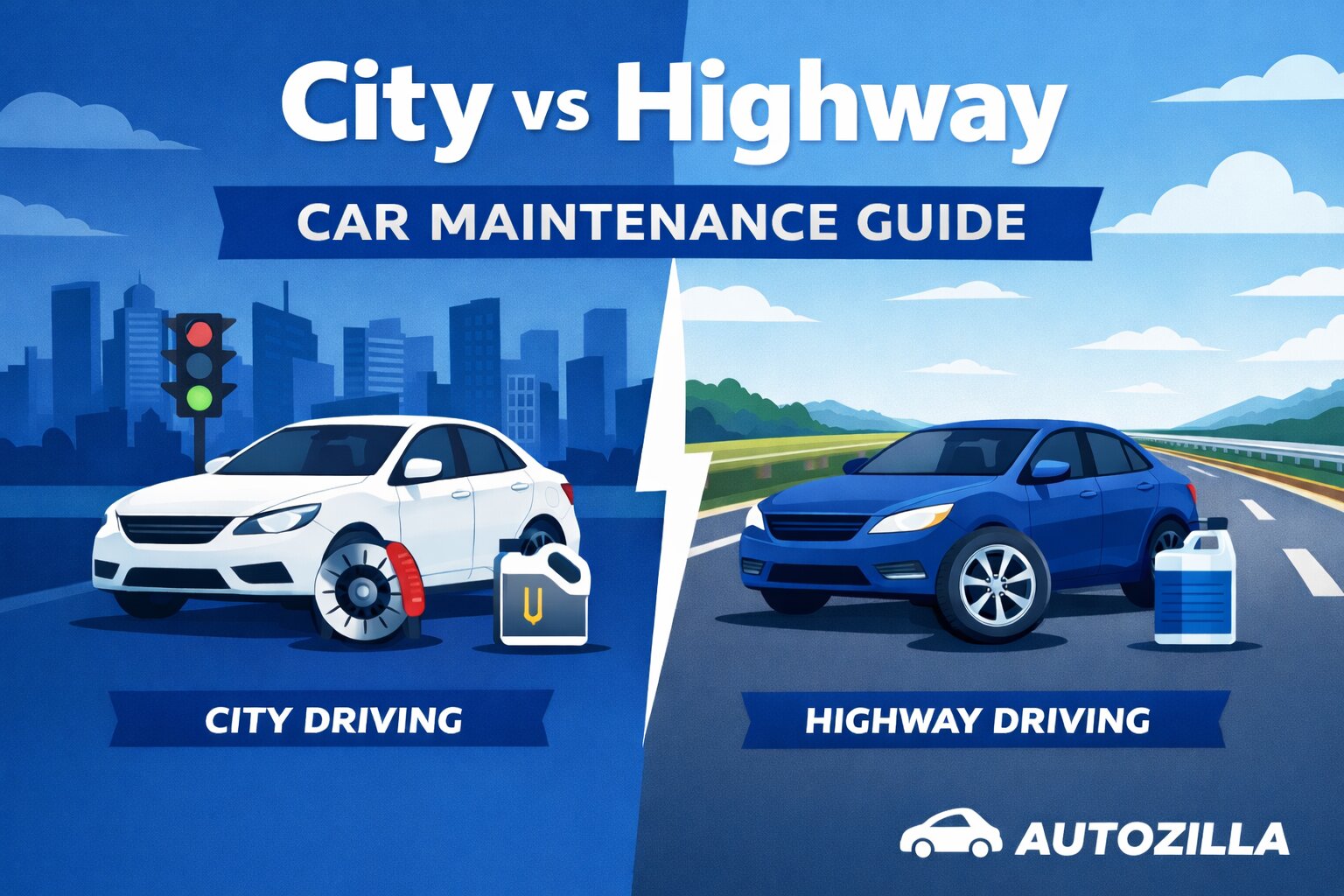
Most drivers assume highway driving is harder on a car because of higher speeds. In reality, city driving often causes more wear and tear. Your driving style directly affects how often you replace car spare parts, whether you choose OEM components, or go with aftermarket options.
If you drive daily in traffic or frequently take long highway trips, your maintenance strategy should not be the same. Understanding the difference helps you extend vehicle life, reduce breakdowns, and buy the right parts at the right time.
Your car is engineered to handle both city streets and highways. However, the stress applied to critical systems varies significantly.
Think of it this way:
Both impact components differently. That difference determines how often you replace car spare parts and which parts fail first.
City traffic means constant acceleration, braking, idling, and frequent gear changes. These repetitive cycles create concentrated stress on specific systems.
| Component | Why it wears faster | Replacement frequency |
|---|---|---|
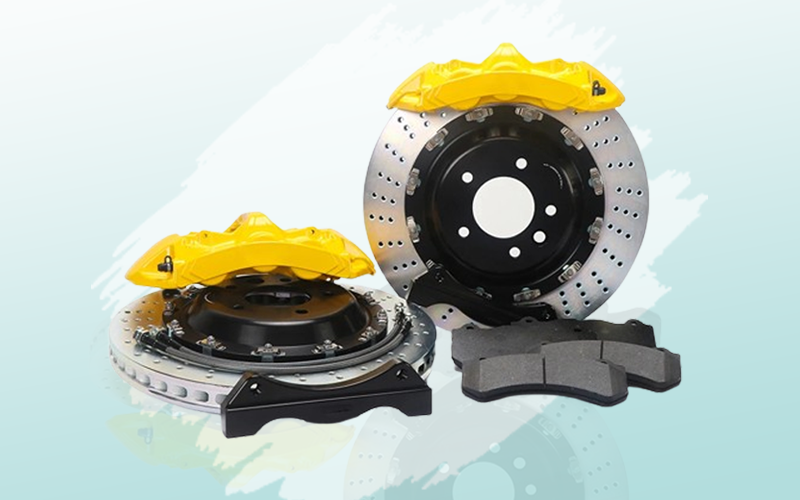
| Brake pads | Frequent stop and go traffic | High |
| Clutch | Repeated gear changes | High |
| Engine oil | Short trips and incomplete warm up | Moderate to high |
| Battery | Frequent starts and idling | Moderate |
| Suspension | Speed breakers and potholes | High |
Highway driving feels easier because speed is steady and braking is less frequent. However, long hours at speed create their own wear pattern.
| Component | Why it wears faster | Replacement frequency |
|---|---|---|
| Tires | Continuous high speed rotation | Moderate |
| Engine oil | Long operating hours | Moderate |
| Cooling system | Sustained engine heat | Moderate |
| Wheel bearings | Continuous load | Low to moderate |
| Air filters | Higher airflow intake | Moderate |
When you replace parts, your driving condition should influence your purchase decision. City drivers often benefit from higher durability in frequent wear items. Highway drivers should prioritize long life parts for tires, cooling, and filtration.
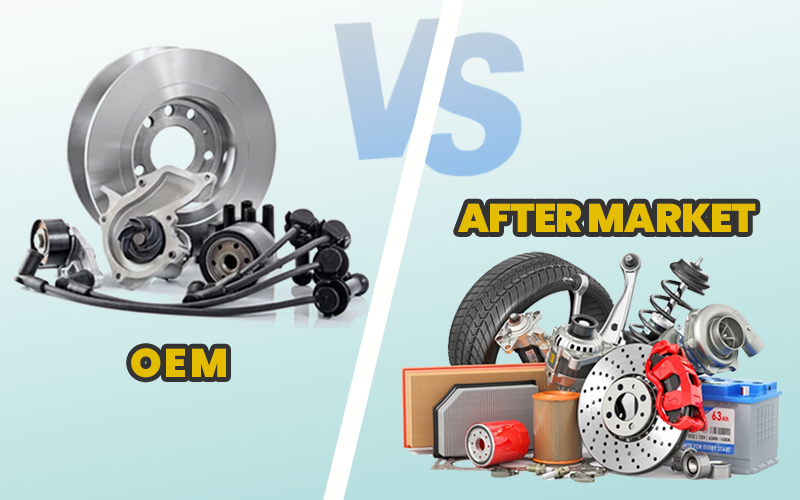
| Feature | OEM | Aftermarket |
|---|---|---|
| Manufacturer | Original vehicle maker | Third party manufacturer |
| Quality assurance | High and standardized | Varies by brand |
| Cost | Higher | Often lower |
| Availability | Limited to specific suppliers | Widely available |
| Warranty | Manufacturer backed | Brand dependent |
Consider two drivers:
After 40,000 km:
Quality matters more than price when it comes to safety and longevity. Poor quality parts can lead to repeat repairs, extra downtime, and higher long term costs.
A reliable sourcing platform simplifies the process. Autozilla helps you buy car parts online in India by making it easier to search and compare genuine spare parts online, including OEM car spares and trusted aftermarket car parts in India, with clear compatibility and pricing.
When choosing a supplier, look for:
City and highway driving create different wear patterns, which means your maintenance plan should match your routine. When you understand how driving conditions affect car spare parts, you can replace components before failure, reduce unexpected repairs, and maximize vehicle lifespan.
If you are planning your next replacement, explore an auto spare parts website like Autozilla to compare options and choose the right parts confidently for your driving style.
Visit Autozilla and find the right parts for your car in just a few clicks.