HIGH QUALITY GENUINE OEM, AFTERMARKET SPARES


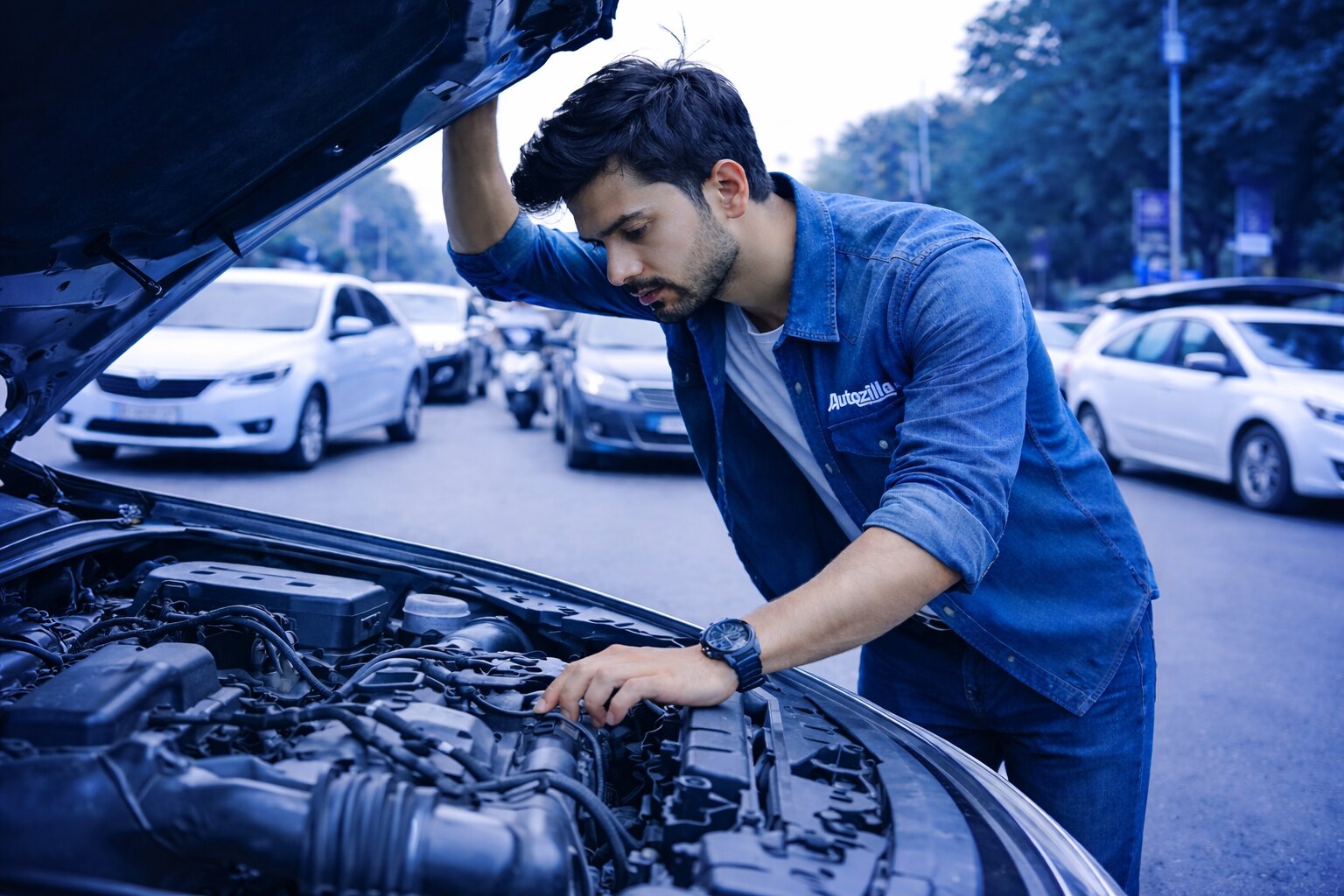
If you drive regularly in an Indian city, chances are you already feel the pain of traffic. What you may not see is how that daily stop and go grind is quietly destroying one of your car’s most critical components, the clutch.
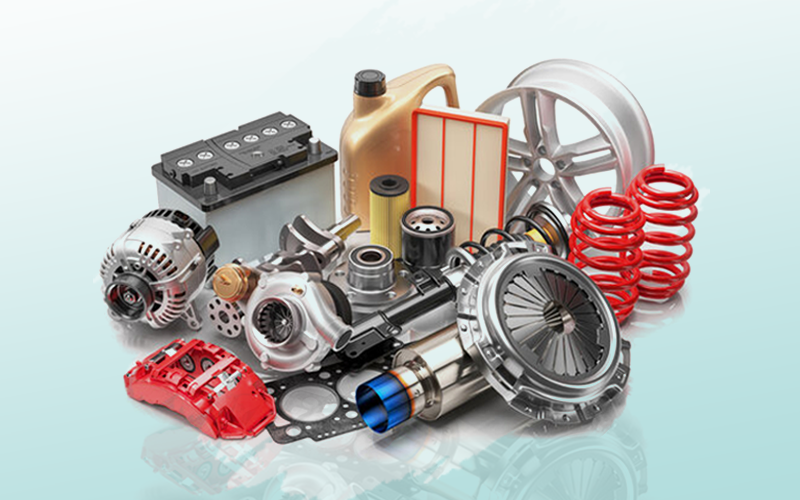
Urban congestion is no longer limited to peak hours. In cities like Delhi, Mumbai, Bengaluru, and Pune, crawling traffic has become a full day phenomenon. While most drivers worry about fuel costs and time lost, fewer realize that rising traffic is directly shortening clutch life and increasing dependence on car spare parts.
This article explains how traffic patterns are damaging clutches, why Indian driving conditions make the problem worse, and what car owners can do to reduce wear and manage costs intelligently.
The clutch is the mechanical link between your engine and gearbox. It allows you to change gears smoothly by temporarily disconnecting engine power from the wheels.
In simple terms:
Unlike tyres or brake pads, clutch wear is gradual and often unnoticed until performance drops sharply. By then, replacement becomes unavoidable and requires quality car spare parts.
Heavy traffic means:
This repetitive friction heats the clutch plate and accelerates material breakdown.
In bumper to bumper traffic, drivers often:
This habit keeps the clutch partially engaged, causing excessive friction and heat buildup.
Indian roads amplify the problem:
Each interruption forces additional gear changes, multiplying clutch usage over short distances.
Manual transmission cars dominate Indian roads. While automatics are gaining popularity, most drivers still rely on manual clutches.
| Transmission type | Clutch usage in traffic | Wear rate |
|---|---|---|
| Manual | Driver controlled | High |
| AMT | Computer controlled | Moderate |
| CVT | No traditional clutch | Low |
| Torque converter | No manual clutch | Very low |
Manual cars are entirely dependent on driver behaviour. Poor habits combined with congestion make clutch replacement far more frequent, increasing reliance on car spare parts.
Traffic induced wear often shows up through subtle symptoms. Watch out for:
Ignoring these signs usually leads to complete clutch failure and urgent replacement of multiple car spare parts.
Under ideal conditions, a clutch can last 80000 to 100000 km. In dense city traffic, many drivers face replacement as early as 30000 to 40000 km.
That means:
As clutch failures increase, demand grows for:
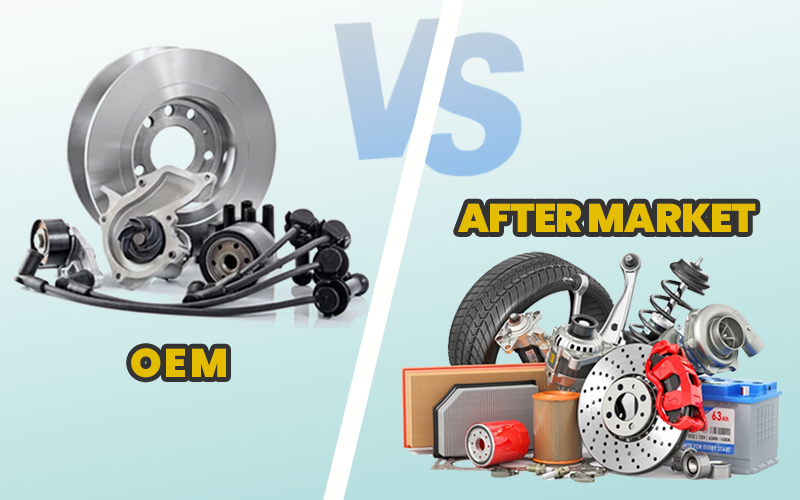
This has created a large market for both OEM spare parts and after market parts, with significant variation in price and quality.
When replacing a clutch, car owners typically face two options.
OEM spare parts are manufactured to the same specifications as the original factory installed components.
Pros
Cons
After market parts are produced by third party manufacturers.
Pros
Cons
| Factor | OEM spare parts | After market parts |
|---|---|---|
| Fit and finish | Excellent | Varies |
| Traffic durability | High | Medium to low |
| Cost | Higher | Lower |
| Long term value | Strong | Depends on brand |
For daily city driving, especially in high traffic zones, reliable OEM spare parts often deliver better value over time despite higher initial cost.
Traffic may be unavoidable, but some habits make the damage worse.
Each of these habits increases friction and heat, shortening clutch life dramatically and increasing dependency on car spare parts.
Smart driving habits can slow clutch wear, but they only go so far in heavy city traffic. When your car is constantly crawling, braking, and shifting, the quality of the parts inside matters just as much as how you drive.
Low grade components struggle under heat and friction, leading to early failure and repeat repairs. Choosing dependable car spare parts, including durable OEM spare parts or well tested after market parts, helps your clutch perform reliably even in demanding urban conditions.
If you are planning preventive maintenance or noticing early clutch fatigue, now is the right time to act. Replacing worn components early reduces breakdown risk, lowers long term costs, and keeps your car traffic ready.
Explore Autozilla’s range of trusted clutch components and genuine car spare parts, and make a preventive choice that saves you money and downtime later.
Proactive care reduces sudden breakdowns and spreads maintenance costs more evenly.
As urban traffic worsens, clutch wear is just one example of how congestion raises total cost of ownership. Increased demand for spare parts, frequent repairs, and reduced vehicle lifespan all add up.
For car owners, this means:
City traffic is not slowing down, and neither is the wear on your clutch. Every day of stop and go driving silently eats into its lifespan until failure becomes sudden and expensive. By the time the clutch gives up, the repair is no longer optional, and neither is the cost.
The smarter choice is to stay ahead of the problem. Timely clutch replacement using dependable car spare parts, whether OEM spare parts or proven after market parts, can prevent breakdowns, reduce long term expenses, and keep your daily commute stress free.
If your car is showing early clutch warning signs or you are nearing a replacement cycle, now is the time to act. Delaying only increases repair costs and downtime.
Visit Autozilla today to find the right clutch and genuine car spare parts for your vehicle. Get quality you can trust, proper fitment, and solutions designed for real Indian city traffic conditions.
Visit Autozilla and find the right parts for your car in just a few clicks.